As artificial intelligence continues to evolve, the concept of AI agent orchestration has emerged as a critical paradigm for building sophisticated systems capable of tackling complex, multi-faceted challenges. This approach involves coordinating multiple specialized AI agents to work together synergistically, creating intelligent systems that are more powerful than the sum of their individual parts.
Understanding AI Agent Orchestration
AI agent orchestration is the practice of managing and coordinating multiple autonomous AI agents to solve complex problems collaboratively. Unlike traditional single-agent approaches, orchestration enables agents to communicate, delegate tasks, and synchronize their activities to achieve collective intelligence.
The fundamental principle behind orchestration is that different agents can specialize in specific domains or capabilities, while a central orchestrator manages their coordination, resource allocation, and decision-making processes.
Core Components of an Orchestration Framework
Effective AI agent orchestration requires several essential components working in harmony:
class AgentOrchestrator:
    def __init__(self):
        self.agents = {}
        self.task_queue = []
        self.allocation_strategy = "round_robin"

    def register_agent(self, agent_id, agent):
        self.agents[agent_id] = agent

    def dispatch_task(self, task):
        # Route task to appropriate agent based on capabilities
        suitable_agent = self.find_suitable_agent(task)
        self.agents[suitable_agent].execute(task)

    def monitor_performance(self):
        # Collect performance metrics from all agents
        metrics = {}
        for agent_id, agent in self.agents.items():
            metrics[agent_id] = agent.get_metrics()
        return metrics
Practical Implementation Example
Consider a customer service system with specialized AI agents for different domains:
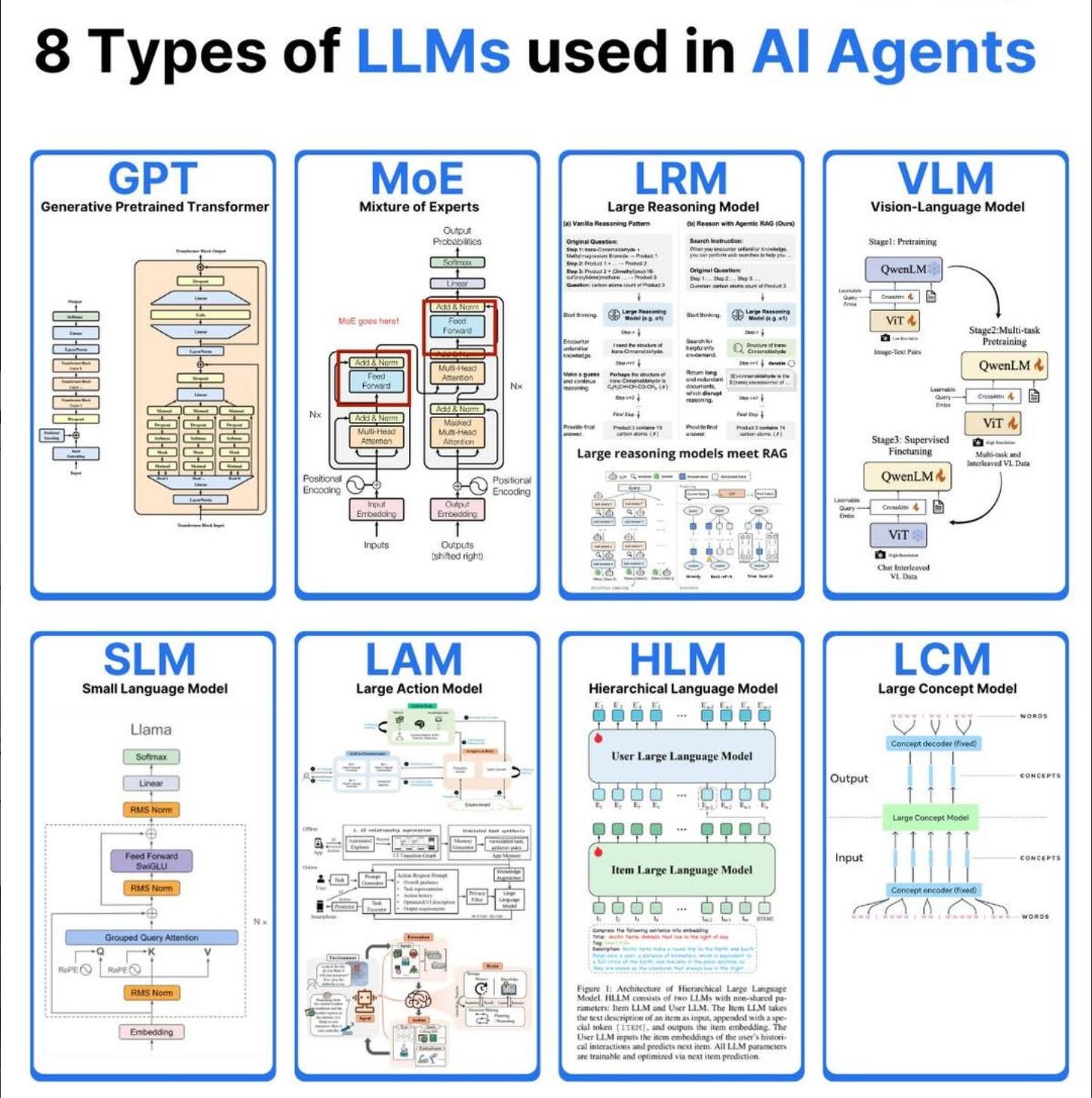
class CustomerServiceOrchestrator:
    def __init__(self):
        self.nlp_agent = NLPProcessor()
        self.finance_agent = FinanceExpert()
        self.technical_agent = TechnicalSupport()
        self.feedback_agent = FeedbackAnalyzer()

    def process_inquiry(self, customer_query):
        # Step 1: Analyze query
        intent = self.nlp_agent.analyze_intent(customer_query)

        # Step 2: Route to appropriate agent
        if intent == "billing":
            response = self.finance_agent.handle_query(customer_query)
        elif intent == "technical":
            response = self.technical_agent.handle_query(customer_query)
        else:
            response = self.general_agent.handle_query(customer_query)

        # Step 3: Collect feedback and learn
        feedback = self.feedback_agent.analyze_response(response)
        return response, feedback
Benefits and Advantages
AI agent orchestration provides numerous advantages that make it an attractive approach for complex problem-solving:
- Scalability: Easy to add new agents without disrupting existing systems
- Specialization: Each agent can focus on its core competency
- Resilience: System continues functioning even if individual agents fail
- Efficiency: Task delegation based on agent capabilities reduces processing time
Challenges and Solutions
Implementing orchestration systems presents several challenges:
Communication Overhead: Agents need to communicate efficiently. Solution: Implement message queues and caching mechanisms.
Task Dependencies: Complex workflows require sophisticated dependency management. Solution: Use workflow engines and graph-based systems.
Performance Monitoring: Tracking agent performance across the system. Solution: Implement comprehensive metrics collection and alerting systems.
Real-World Applications
AI agent orchestration finds practical applications across various domains:
- Autonomous vehicles: Navigation, obstacle detection, and decision-making agents coordinating in real-time
- Financial trading systems: Multiple agents for market analysis, risk assessment, and execution
- Healthcare diagnostics: Specialized agents for different medical specialties coordinating patient care
- Smart city infrastructure: Traffic management, energy optimization, and emergency response agents
Future Trends
As we look forward, AI agent orchestration is expected to evolve with:
- Advanced reinforcement learning for dynamic agent coordination
- Blockchain-based trust mechanisms for secure agent interactions
- Edge computing integration for distributed orchestration
- Natural language interfaces for human-agent collaboration
Conclusion
AI agent orchestration represents a fundamental shift in how we design and implement intelligent systems. By breaking down complex problems into manageable components and allowing specialized agents to work in harmony, we can build systems that are not only more powerful but also more adaptable and resilient. As the complexity of real-world problems continues to grow, orchestration will become increasingly essential for creating intelligent solutions that can scale and evolve with our needs. The future of AI lies not just in individual agents, but in their ability to collaborate seamlessly under intelligent orchestration.